Diving in the Maldives

Reefs, channels, manta rays and whale sharks, and how the monsoons shape where to go.

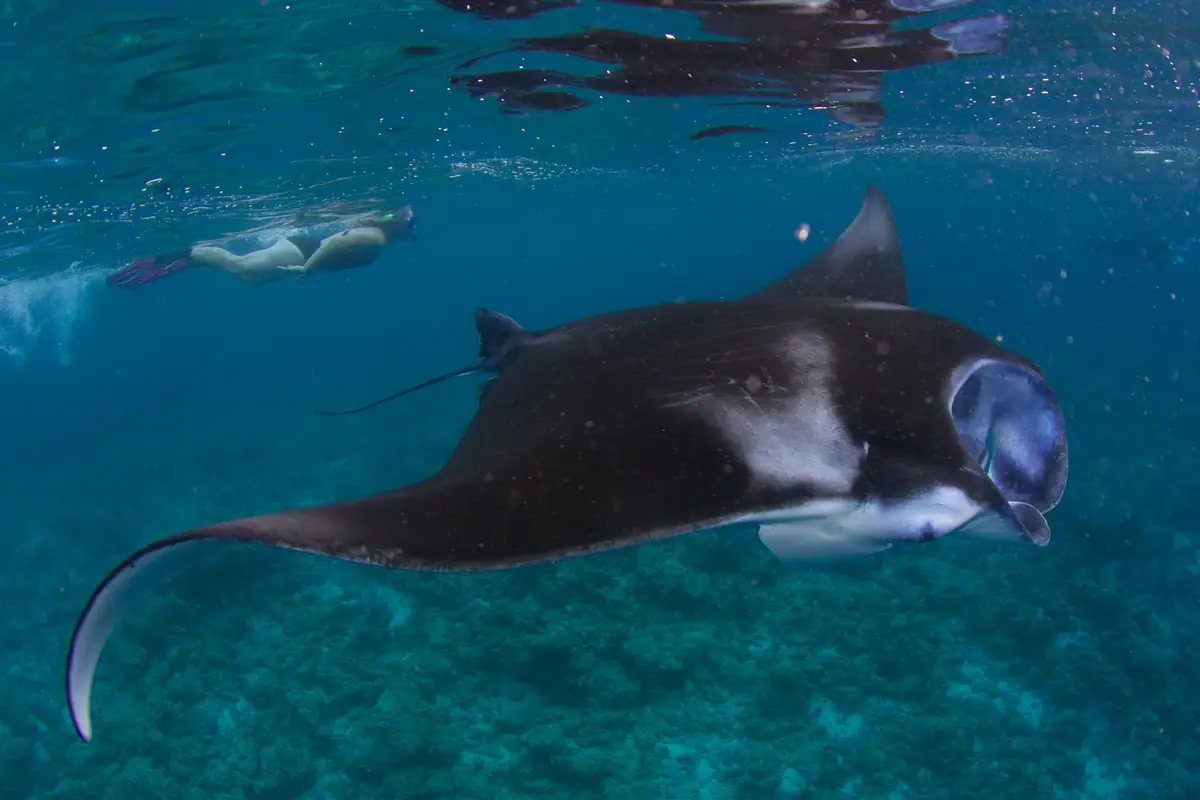
Photo: Tchami / Wikimedia Commons (CC BY-SA 2.0) — a reef manta in the Maldives. Illustrative; not a named dive site.

Visit Maldives describes the country as one of the Indian Ocean’s most diverse diving destinations: 26 natural atolls and more than 1,000 coral islands, with reef walls, thilas (submerged pinnacles), channels, caves, cleaning stations and marine protected areas. Diving is available throughout the year, but visibility, currents and the chance of seeing certain species change with the monsoon and the atoll you choose.

Sources are listed at the end. Two of our news stories go into more detail: Diving the Maldives: mantas, whale sharks and when to go, and Baa Atoll, inside the UNESCO Biosphere Reserve.

Regions and well-known sites

A selection of places Visit Maldives and official protected-area listings highlight — not a ranked list, and not every dive site in the country.

Baa Atoll

Hanifaru Bay and the biosphere reserve

Baa Atoll was designated a UNESCO Biosphere Reserve in 2011. Its best-known site is Hanifaru Bay, on the eastern side of the atoll. During the southwest monsoon, roughly May to November, currents trap plankton in the bay and reef manta rays — and sometimes whale sharks — come in to feed.

Hanifaru is a marine protected area and is managed as a snorkelling site, not a scuba dive: scuba diving is not permitted, visitor and boat numbers are limited, and groups must be accompanied by certified guides, with rangers on site. The rest of Baa still has reef and manta diving outside the bay itself.
South Ari Atoll (Alif Dhaalu)

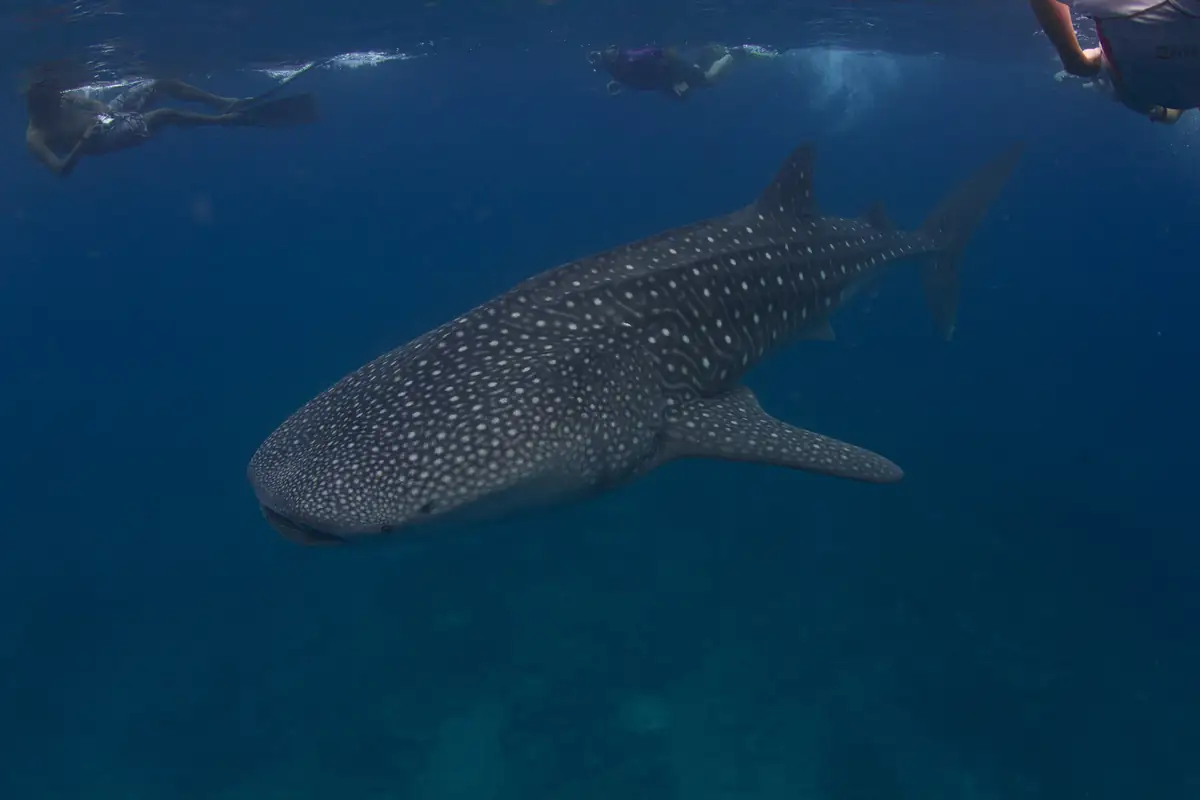
Whale sharks, year-round

Visit Maldives describes South Ari Atoll, including the South Ari Marine Protected Area, as one of the best-known areas for whale shark encounters, with sightings possible throughout the year. A Visit Maldives marine-life guide notes a peak from August to November. Encounters are usually done as a snorkel with a trained guide, and responsible-interaction rules should be followed.

The same guide names Dhigurah as a well-known base for whale shark trips, and notes that the Maldives Whale Shark Research Programme is based there. Manta rays in South Ari are more often associated with the northeast monsoon, from around October to May.

Channels and shark diving

Vaavu, Ari, Malé, Rasdhoo and the south

Channels (kandu) connect the open ocean with the inner lagoons. Currents moving through them attract fish, sharks and rays, which is why channel dives are among the more exciting — and, in stronger current, more advanced — dives in the Maldives. Visit Maldives points to atolls such as Vaavu, Ari and Malé for this style of diving, and names sites such as Miyaru Kandu as examples.

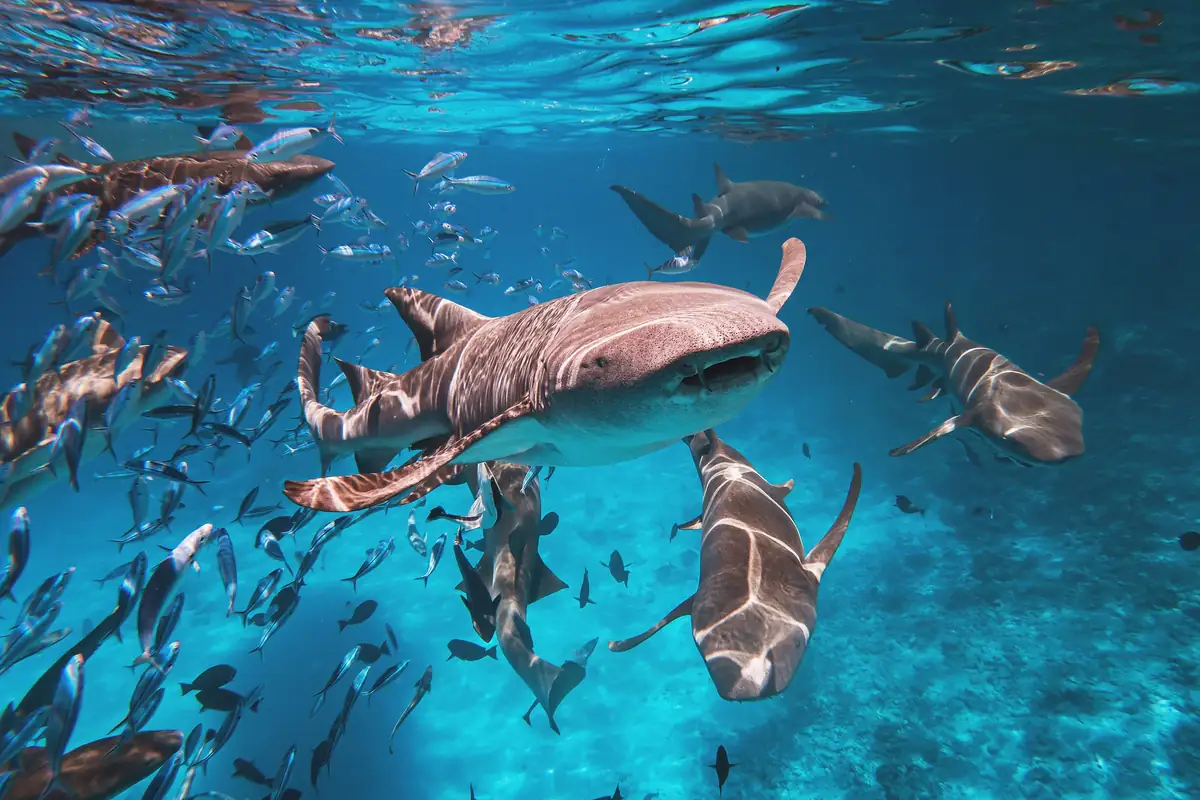
Shark encounters vary by atoll and season. In the central atolls they are often linked to channels, reef edges and cleaning stations; Visit Maldives mentions areas around Rasdhoo, Vaavu and Malé Atoll, and some sites near Hulhumalé for larger shark species. Further south, Fuvahmulah is especially known for tiger sharks and other pelagic life. Shark dives should be done with a licensed operator.

Reefs, thilas and other atolls

Pinnacles, coral gardens and more manta sites

Thilas — submerged coral pinnacles — are a distinctive Maldives dive, with reef fish, overhangs, caves and swim-throughs. Visit Maldives gives Maalhos Thila, Kudarah Thila and Fish Head as known examples, and notes marine protected areas that help look after some of these reefs.

Manta rays also gather at cleaning stations and feeding sites outside Baa. The official Visit Maldives manta map highlights, among others, Lhaviyani Atoll (especially in the northeast monsoon, roughly October to April), North Malé Atoll’s Lankan Manta Point (around May to November) and Rasfari North (snorkelling in the northeast monsoon, December to April), and Raa Atoll, where mantas are present year-round but tend to use the west in the northeast monsoon and the east in the southwest monsoon. Visit Maldives also flags Addu Atoll in the far south as a strong scuba destination.

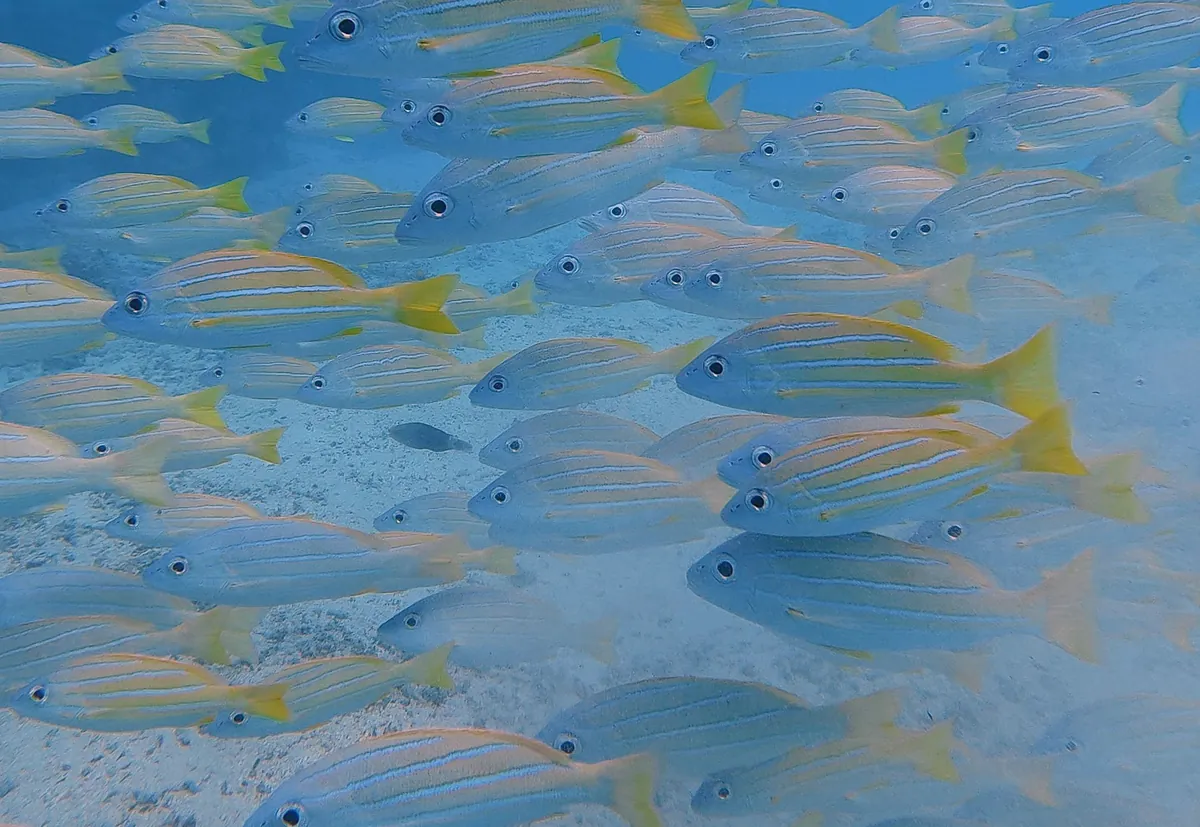
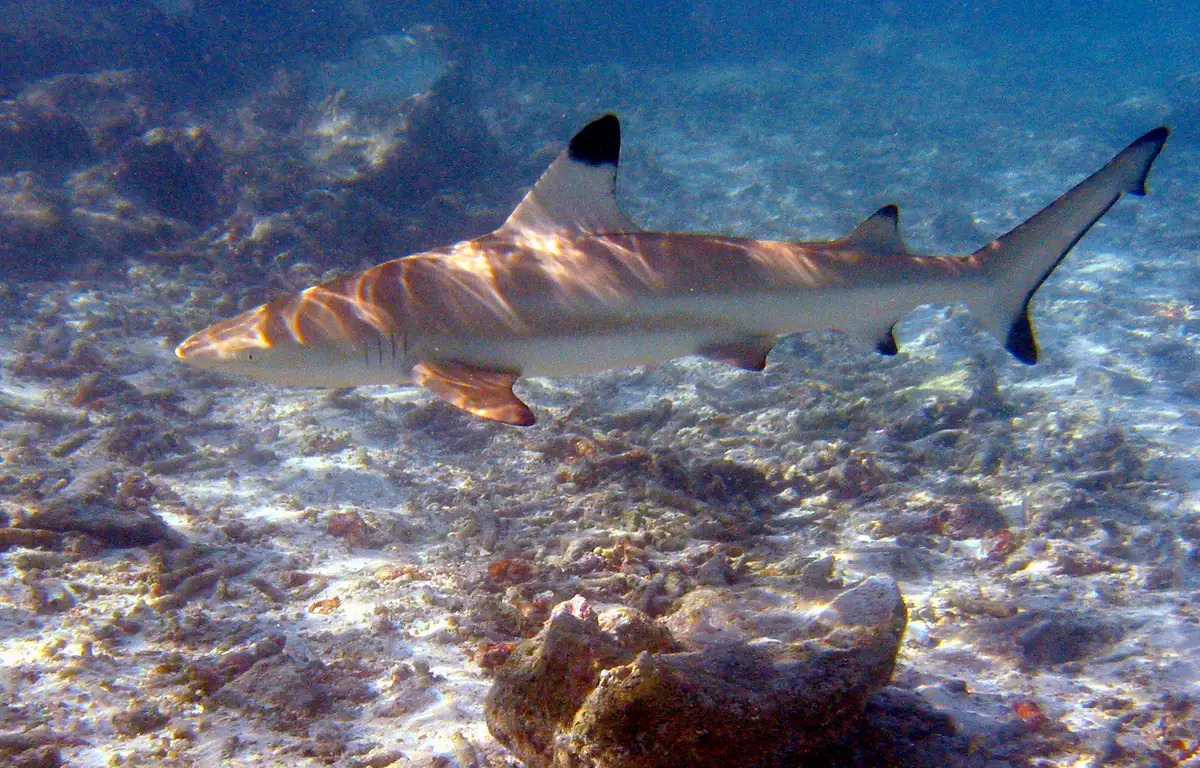
Photos, in order: Photo: Tchami / Wikimedia Commons (CC BY-SA 2.0); Photo: Tchami / Wikimedia Commons (CC BY-SA 2.0); Photo: Aneta p / Wikimedia Commons (CC BY 4.0) (Vaavu Atoll); Photo: Aullere (a school of snappers; not a named dive site). Images are illustrative of the marine life or, where named, the atoll or reef in the caption.

Seasons, by monsoon and atoll

The year is shaped by two monsoons, known locally as Iruvai and Hulhangu. The windows below follow Visit Maldives and official protected-area guidance.

Season Roughly What official sources say
Northeast monsoon (Iruvai) December to April Generally the drier part of the year. Visit Maldives places South Ari manta sightings in this monsoon (around October to May), and the official manta map notes good manta activity in Lhaviyani (October to April), on the west of Raa, and at Rasfari North in North Malé for snorkellers (December to April).
Southwest monsoon (Hulhangu) May to November Often wetter, with plankton-rich water that draws filter feeders in some atolls. The main Hanifaru feeding season is in this monsoon (roughly May to November). The official manta map also places Lankan Manta Point in North Malé in this window (May to November), and manta activity on the east of Raa.
South Ari whale sharks Year-round Visit Maldives says encounters are possible throughout the year, and a marine-life guide notes a peak from August to November.
Changeover weeks Around April–May and October–November Weather can be more variable as the monsoon shifts. Conditions and wildlife still depend on the atoll and the week you travel.
A blacktip reef shark swimming over a shallow reef in the Maldives
Photo: Jan Derk / Wikimedia Commons (Public domain) — a blacktip reef shark photographed in the Maldives. Illustrative of common reef life, not a specific season.

Liveaboards and island-based diving

Visit Maldives says travellers can dive through resort dive centres, guesthouse-based operators or liveaboards. The right choice depends on how you like to travel, not on a single “best” option.

Resort and guesthouse dive centres

Daily boat dives and courses from the island you are staying on. This suits travellers who want a stay on one island — including local-island guesthouses — with diving as part of the week rather than the whole trip. Beginners can often start with calm reef dives and lagoon-based training, then move on as conditions and skills allow.

Liveaboards

Dive safari boats that move between atolls, so you can see a wider range of reefs, channels and marine protected areas in one trip. Visit Maldives notes that liveaboards are especially popular with visitors who want that variety. Itineraries still need to respect seasonal patterns and local site rules.

Certification and first dives

  • Many Maldives centres teach internationally recognised entry-level courses, including PADI and SSI Open Water programmes. Requirements, medical forms and exact in-water exercises are set by the training agency and the centre. See the official PADI Open Water Diver and SSI Open Water Diver pages.
  • No prior scuba certification is needed to start an entry-level course. You should be comfortable in the water and medically fit to dive; some people need a doctor’s clearance.
  • Visit Maldives notes that beginners can start with calm reef dives, lagoon-based training and guided introductory dives, while stronger currents, deeper thilas, shark dives and channel dives are generally better for more experienced divers. Always follow the local instructor’s advice on the day: current, visibility and tide can change the difficulty of a familiar site.
  • For manta and whale shark encounters, never touch, chase or feed the animals, keep the distance your guide sets, and choose operators who follow local protected-area rules. At Hanifaru Bay, that includes snorkelling only, with a certified guide.
List of dive sites and centres

Dive sites (30)

Dive centres (21)

Is your dive centre missing? We are glad to hear from licensed operators. Send us a message and we will look at adding you to the map.

Is your dive centre missing? WhatsApp us

For operators

Marketing for dive centres & liveaboards

If you run a dive centre, a watersports desk or a liveaboard, the same practical work we offer other island businesses applies: a clearer Instagram and Facebook presence (Reels of real dives go a long way), a complete Google Business Profile, and a simple page that sends guests to WhatsApp or a direct booking instead of only to an OTA.

We are a hands-on, part-time service run by a local guesthouse operator. We do not yet have published dive-operator results to show, and we will not invent them. The Basic and Growth packages and one-off landing-page work are a starting point — tell us the island or the vessel and what you need.

WhatsApp us about dive marketing View packages

Sources

WhatsApp Message us on WhatsApp at +960 742 7555