Diving the Maldives: mantas, whale sharks and when to go
A practical guide to the Maldives' famous marine encounters and how the monsoons affect them.
The Maldives is one of the world's best-known dive destinations, with reef sharks, turtles, rays and huge schools of fish in clear, warm water. Here is what to know before you go.
How currents shape diving
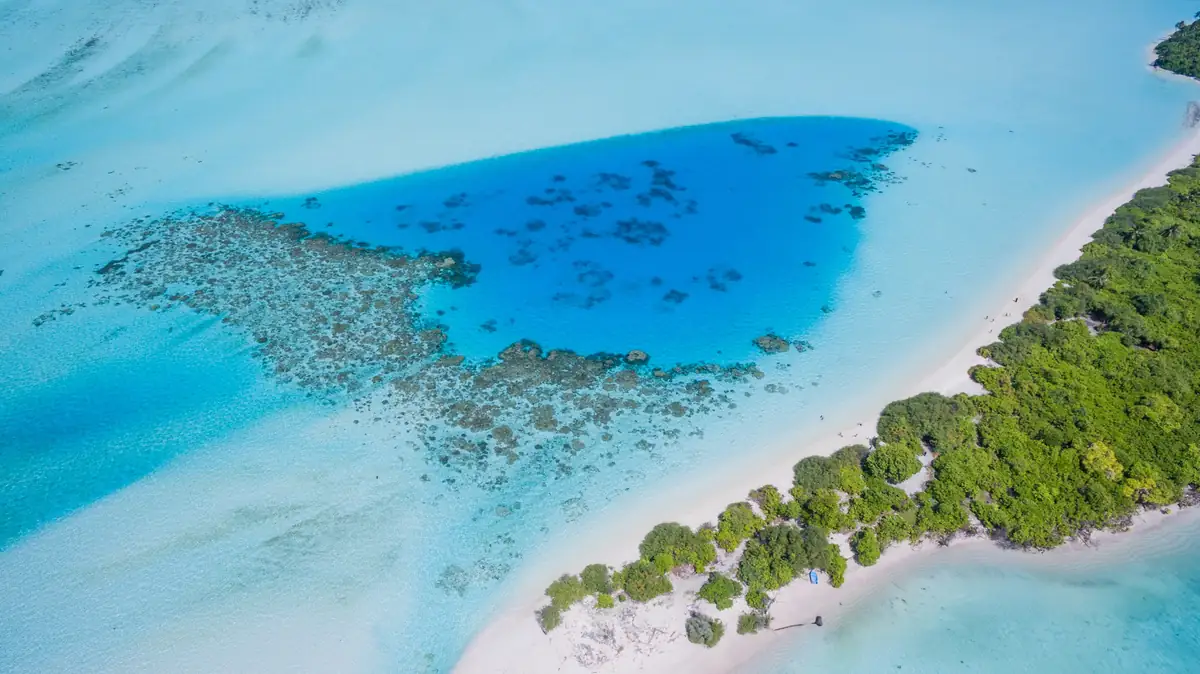
Water flows in and out of the atolls through channels in the reef (kandu). These currents bring nutrients that attract marine life, which is why channel dives are so rewarding, and why many are suited to experienced divers. The direction of the current changes with the monsoon, so the best side of an atoll for certain sites shifts through the year. Local dive centres plan around this.
Manta rays
Reef manta rays are found across the Maldives year-round, at cleaning stations and feeding sites. The best-known spot is Hanifaru Bay in Baa Atoll, where large feeding aggregations occur during the southwest monsoon, roughly May to November. Hanifaru is a marine protected area: only snorkelling is allowed (no scuba), visitor and boat numbers are limited, and groups must be accompanied by certified guides.
Whale sharks
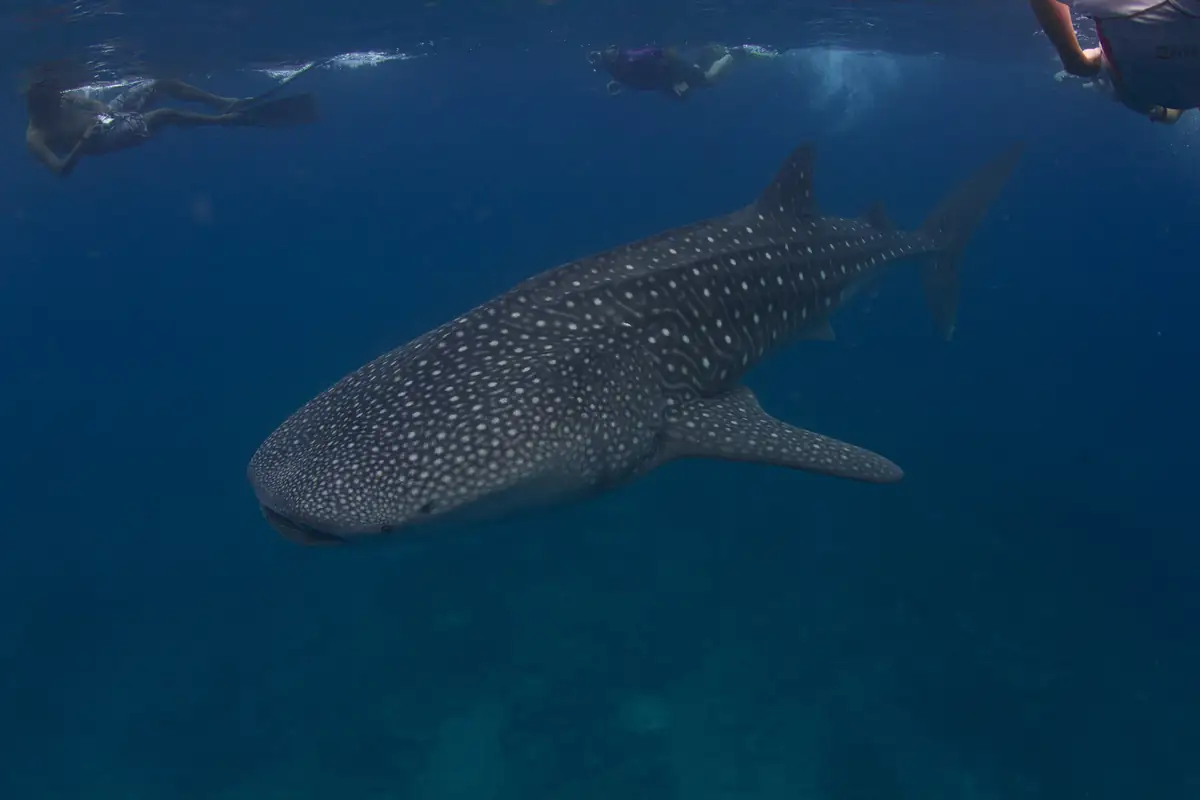
The South Ari Atoll Marine Protected Area is famous for whale shark sightings, which are possible throughout the year. Encounters are usually on snorkel from a boat, following guidelines on keeping a respectful distance.
Ways to dive
- Resort and guesthouse dive centres offer daily boat dives and courses.
- Liveaboards (dive safari boats) reach more remote sites across several atolls.
Responsible encounters
Never touch, chase or feed marine life, keep your distance from mantas and whale sharks, avoid flash photography and choose operators who follow local rules.