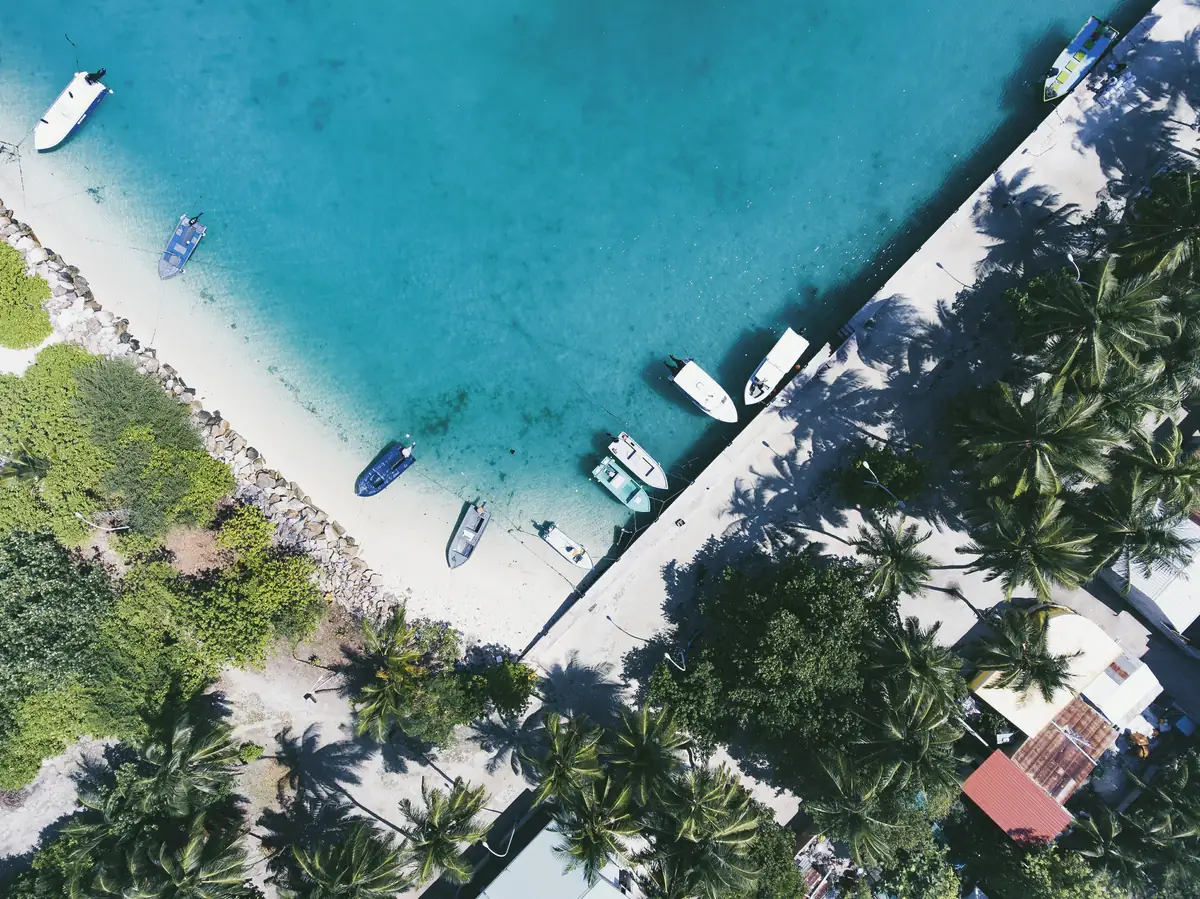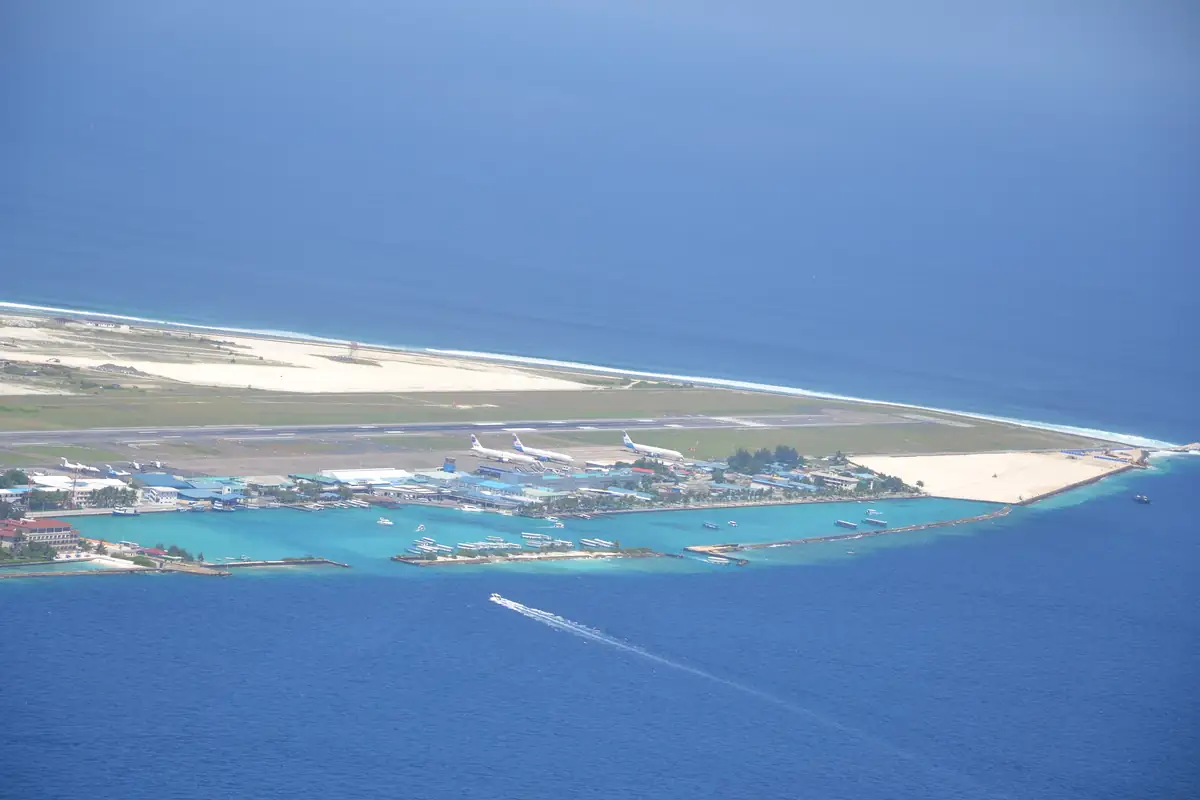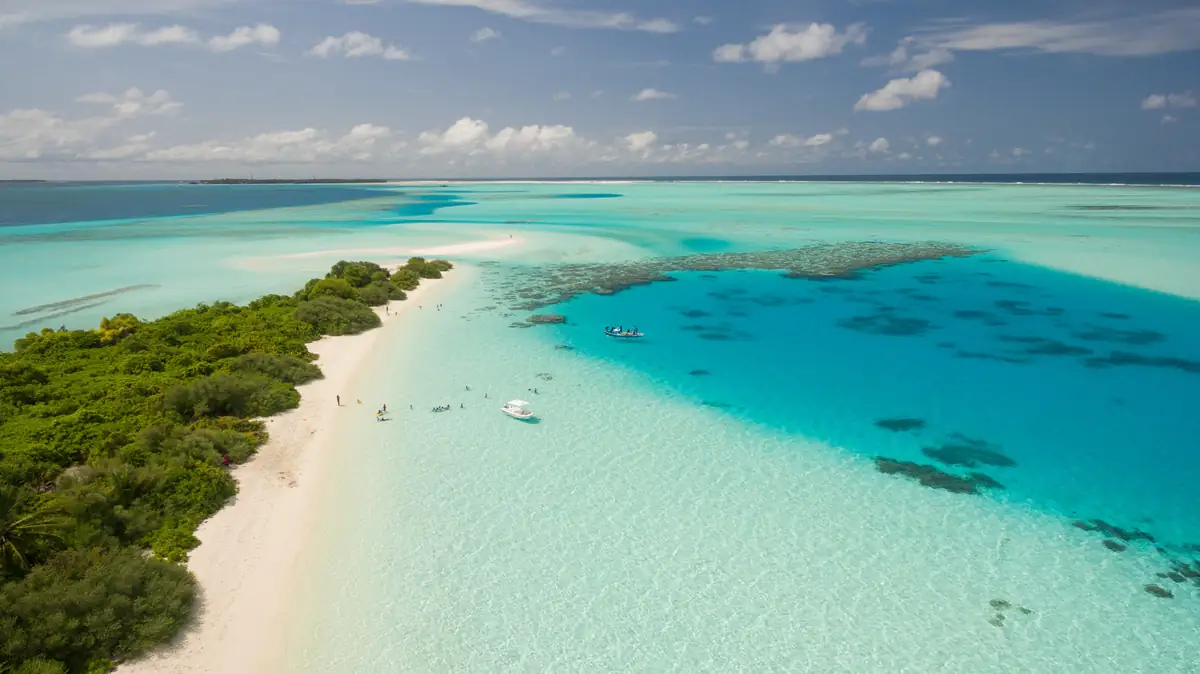
Editor's Pick: Baa Atoll, inside the Maldives' UNESCO Biosphere Reserve
Designated in 2011, Baa Atoll is home to Hanifaru Bay and some of the richest reefs in the Indian Ocean.
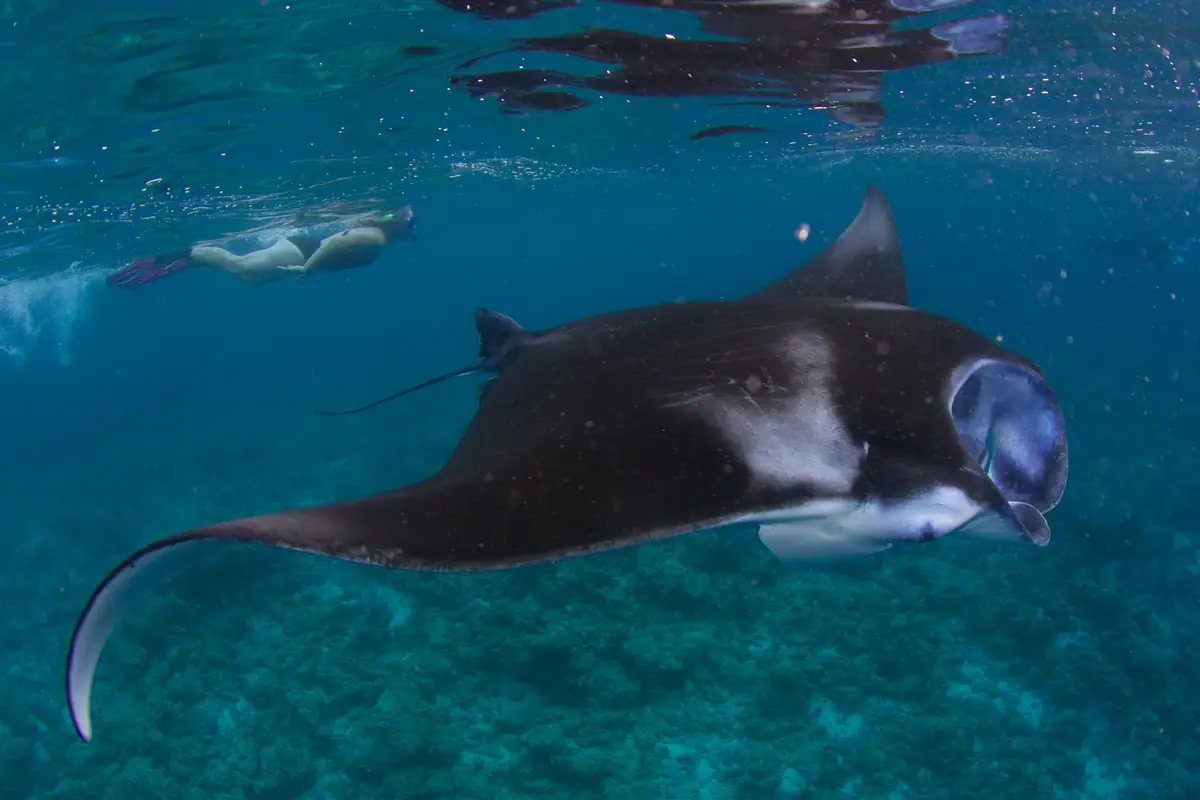
North of Malé, Baa Atoll has become one of the most talked-about destinations in the Maldives, and for good reason. In 2011 it was named a UNESCO Biosphere Reserve, recognising its globally significant marine life and the long relationship between its communities and the sea.
What makes Baa special
According to UNESCO, the atoll supports one of the largest groups of coral reefs in the Indian Ocean. Its reefs, seagrass beds, mangroves and islands provide habitat for turtles, reef manta rays, whale sharks and seabirds. The reserve includes both inhabited islands and resort islands, and tourism and fishing are the main livelihoods.
Hanifaru Bay
The atoll's best-known site is Hanifaru Bay, a small bay on the eastern side of the atoll. During the southwest monsoon (roughly May to November), currents trap plankton in the bay, drawing reef manta rays, and sometimes whale sharks, to feed.
Hanifaru is a marine protected area with strict rules designed to keep these encounters sustainable:
- Snorkelling only, with no scuba diving or fishing
- Limits on the number of boats and visitors at any one time
- Groups accompanied by certified guides, with rangers on site
Visiting
Baa is reached by seaplane or by domestic flight to Dharavandhoo followed by a boat. It has a range of resorts and, on inhabited islands, guesthouses. Whichever you choose, ask about manta trips during the season and follow your guide's instructions in the water.