Local island guesthouse or private island resort? How to choose
The Maldives offers two very different ways to stay. Here's what to expect on each, from transfers to dress codes.
For decades, visitors to the Maldives stayed almost exclusively on resort islands. Since the government began allowing tourist guesthouses on inhabited islands in 2009, a second way to experience the country has grown quickly. Both are rewarding, but they are different.
Resort islands
Most resorts follow the "one island, one resort" model: the entire island is the hotel. Expect:
- Beach and overwater villas, several restaurants, a spa and a dive or water-sports centre
- Alcohol served, and swimwear acceptable everywhere on the island
- Transfers by speedboat, seaplane or domestic flight arranged by the resort
- A wide range of price points, from mid-range to ultra-luxury
Local (inhabited) islands
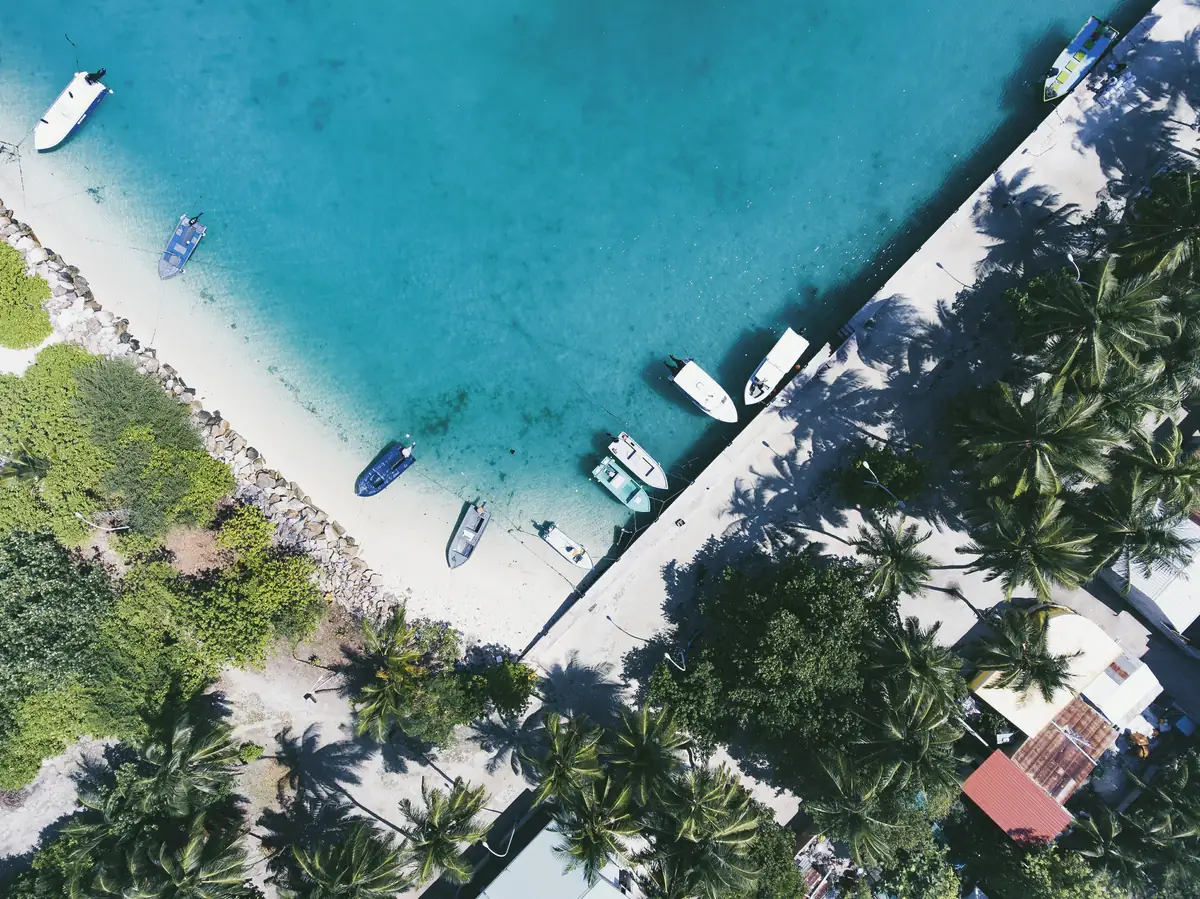
Guesthouses sit within Maldivian communities, alongside homes, mosques, schools and harbours. Expect:
- Smaller properties, usually at lower prices than resorts
- Excursions such as sandbank trips, snorkelling, dolphin cruises and fishing, often booked through the guesthouse
- A chance to meet locals, try home-style food and see everyday island life
- Transfers by public ferry or shared speedboat on many routes
Local customs to know
The Maldives is a Muslim country, and local islands follow its laws and customs:
- Alcohol is not available on inhabited islands. Day trips to nearby resorts or licensed boats are an option for some travellers.
- Dress modestly in villages, covering shoulders and knees. Many islands have a designated "bikini beach" where swimwear is fine.
- Shops and cafés may close briefly during prayer times, and Fridays follow a different rhythm, with many businesses closed around midday prayers.
Can I do both?
Yes. Many travellers split their stay, spending a few nights on a local island and finishing at a resort, or the other way round.